


 Pristupačnost
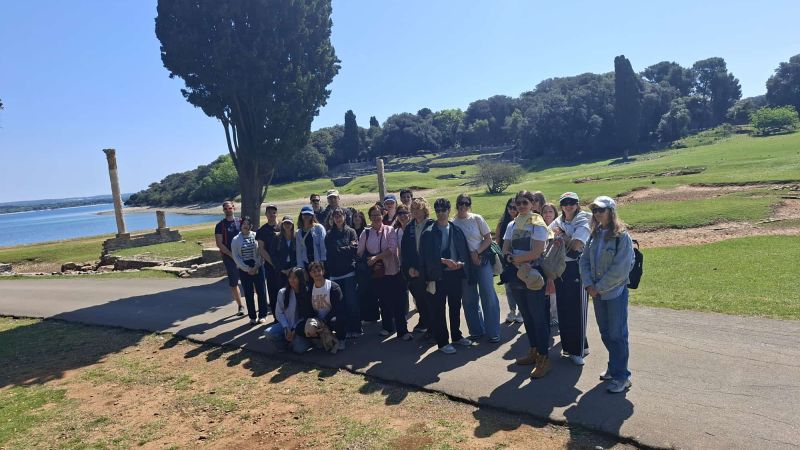
At the Faculty of Economics and Tourism “Dr. Mijo Mirković”, an international Blended Intensive Programme (BIP) was successfully held within the framework of the Erasmus+ programme, bringing together 45 students and their professors from Graz, Cagliari, and Juraj Dobrila University of Pula.
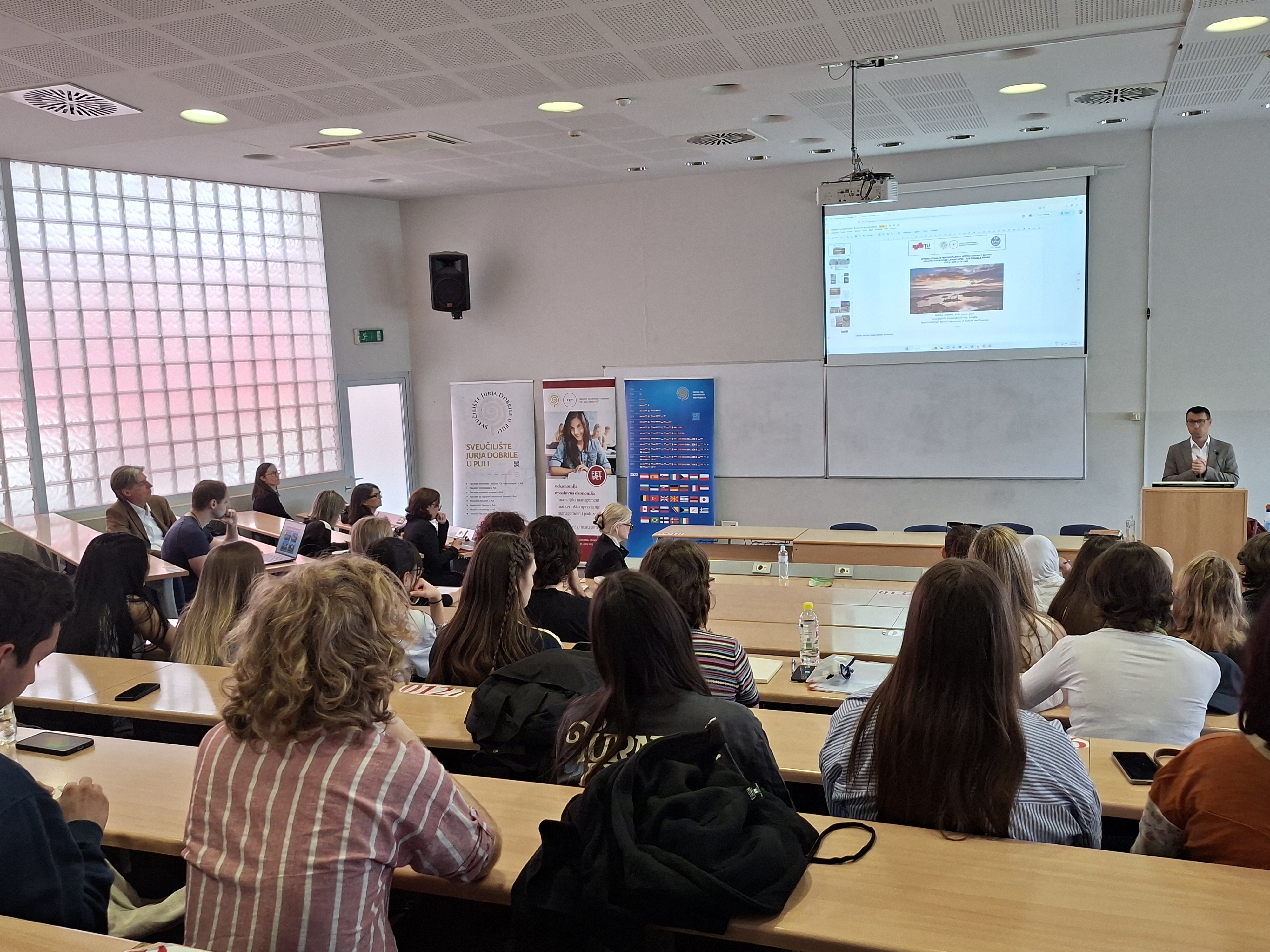
The Blended Intensive Programme combined virtual and physical mobility components, enabling participants to engage in intensive learning through lectures, workshops, and teamwork. The programme included students and professors from partner institutions who collaborated with local students and staff in an international and interdisciplinary environment.
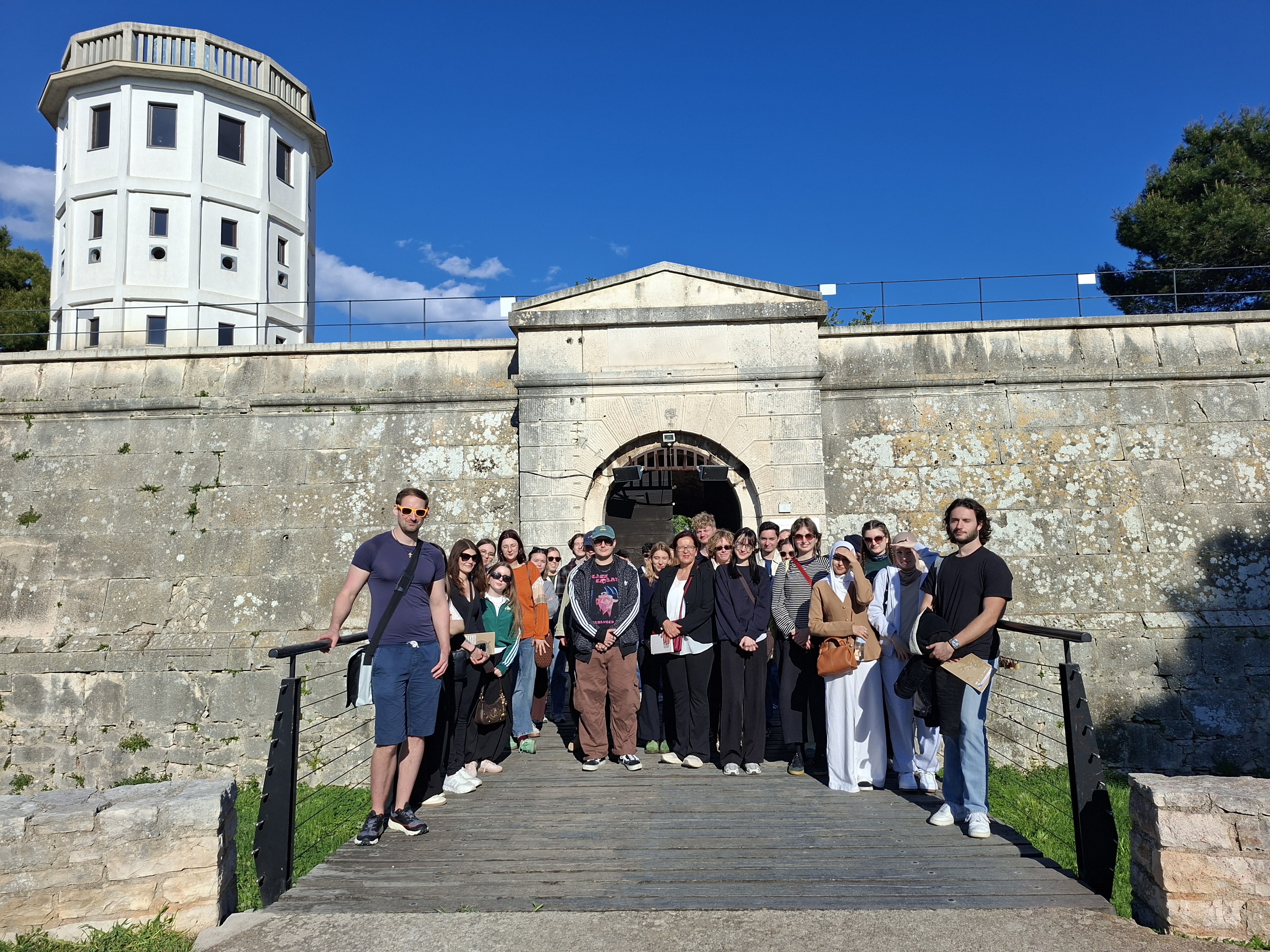
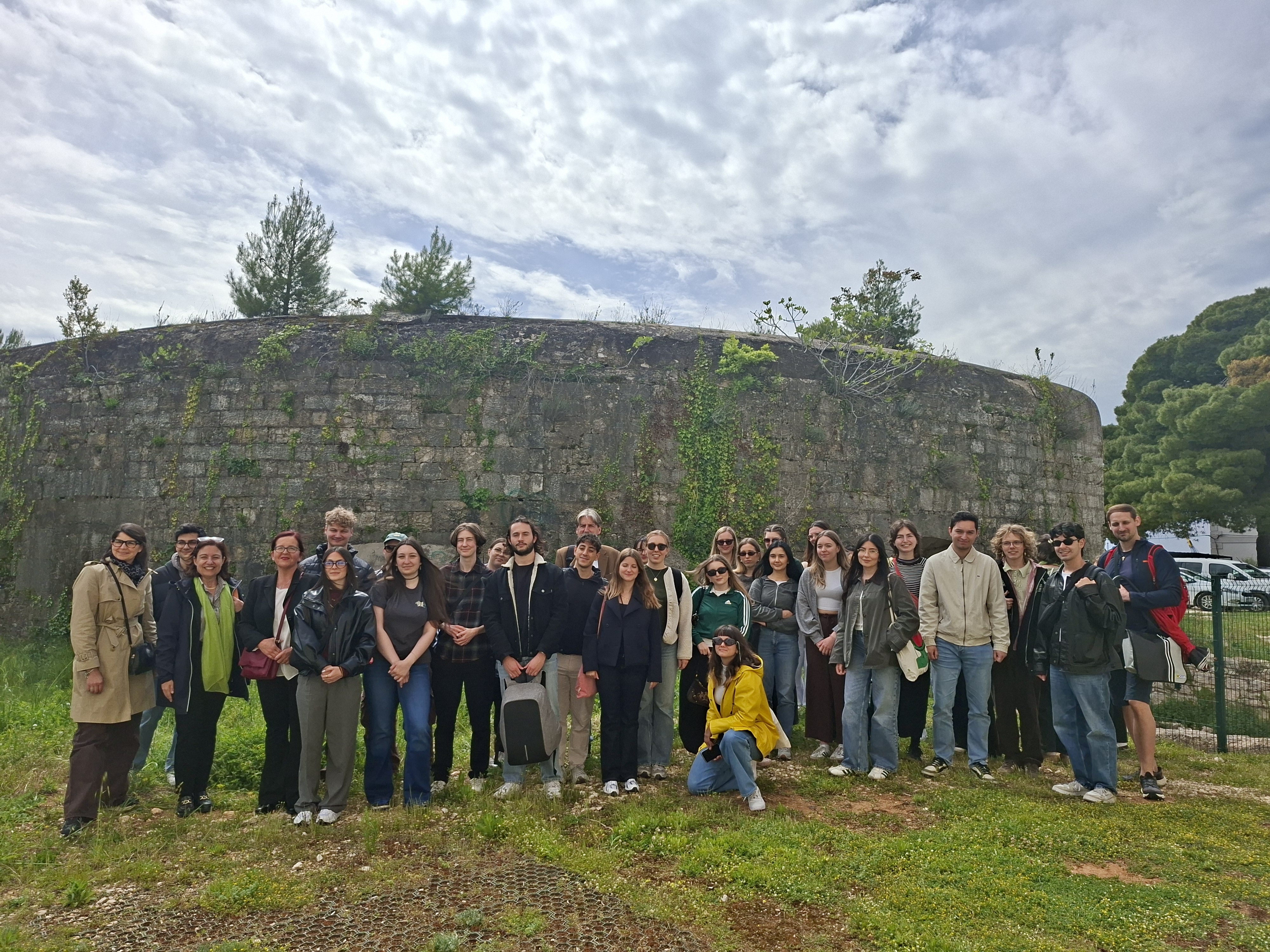
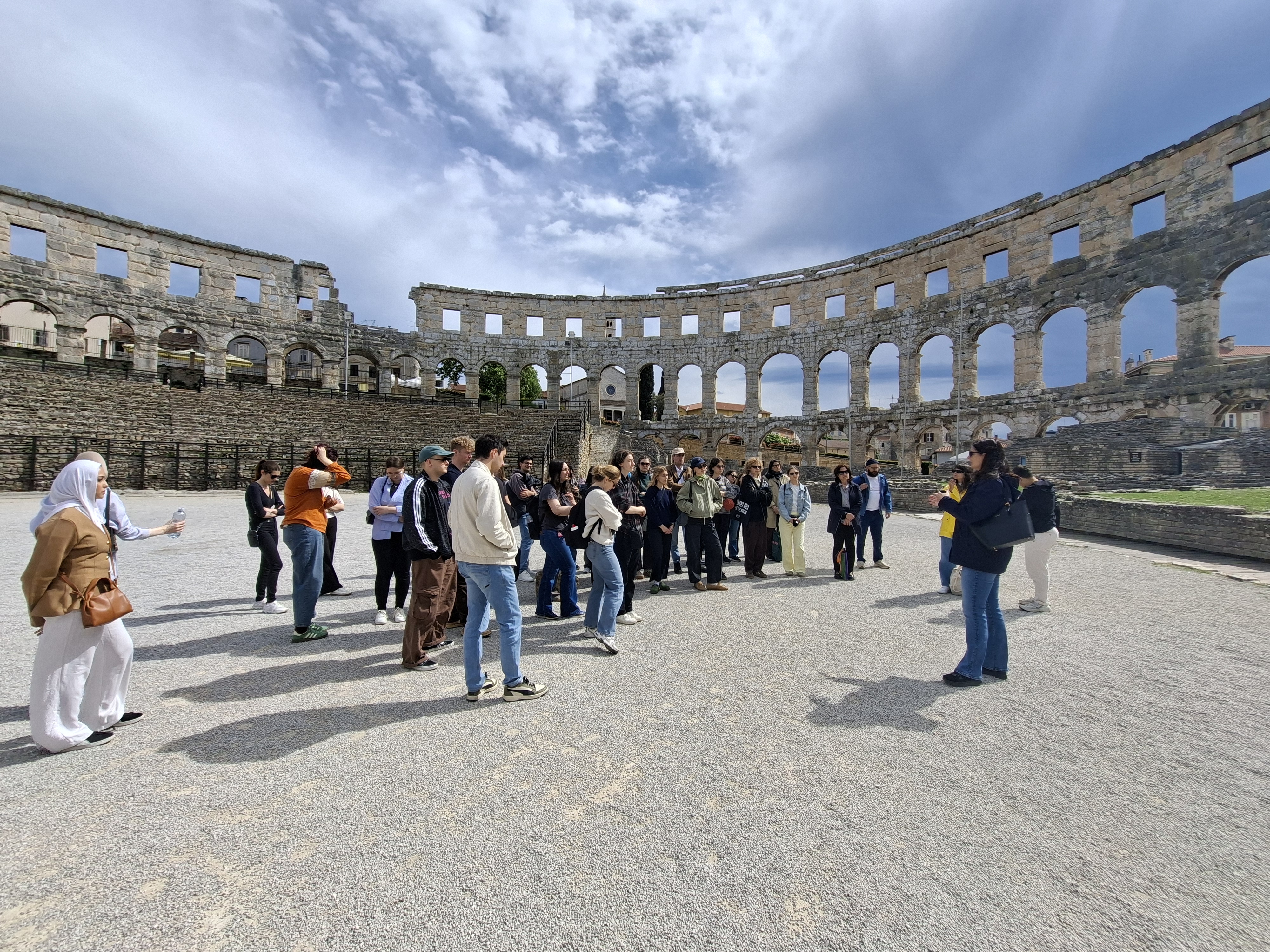
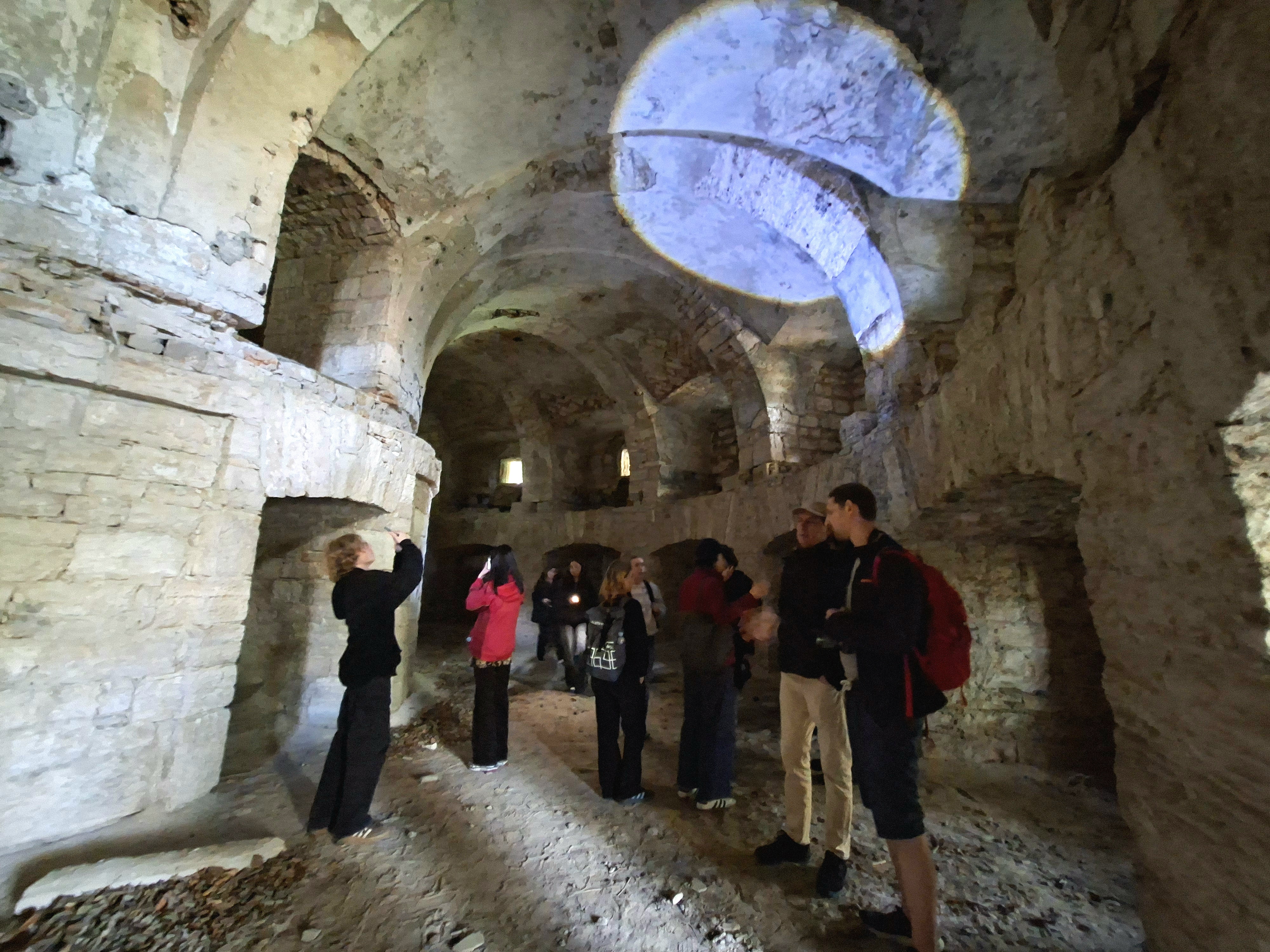
Throughout the programme, special emphasis was placed on the analysis and development of urban spaces, with students working on concrete case studies in the fortification system of the city of Pula.
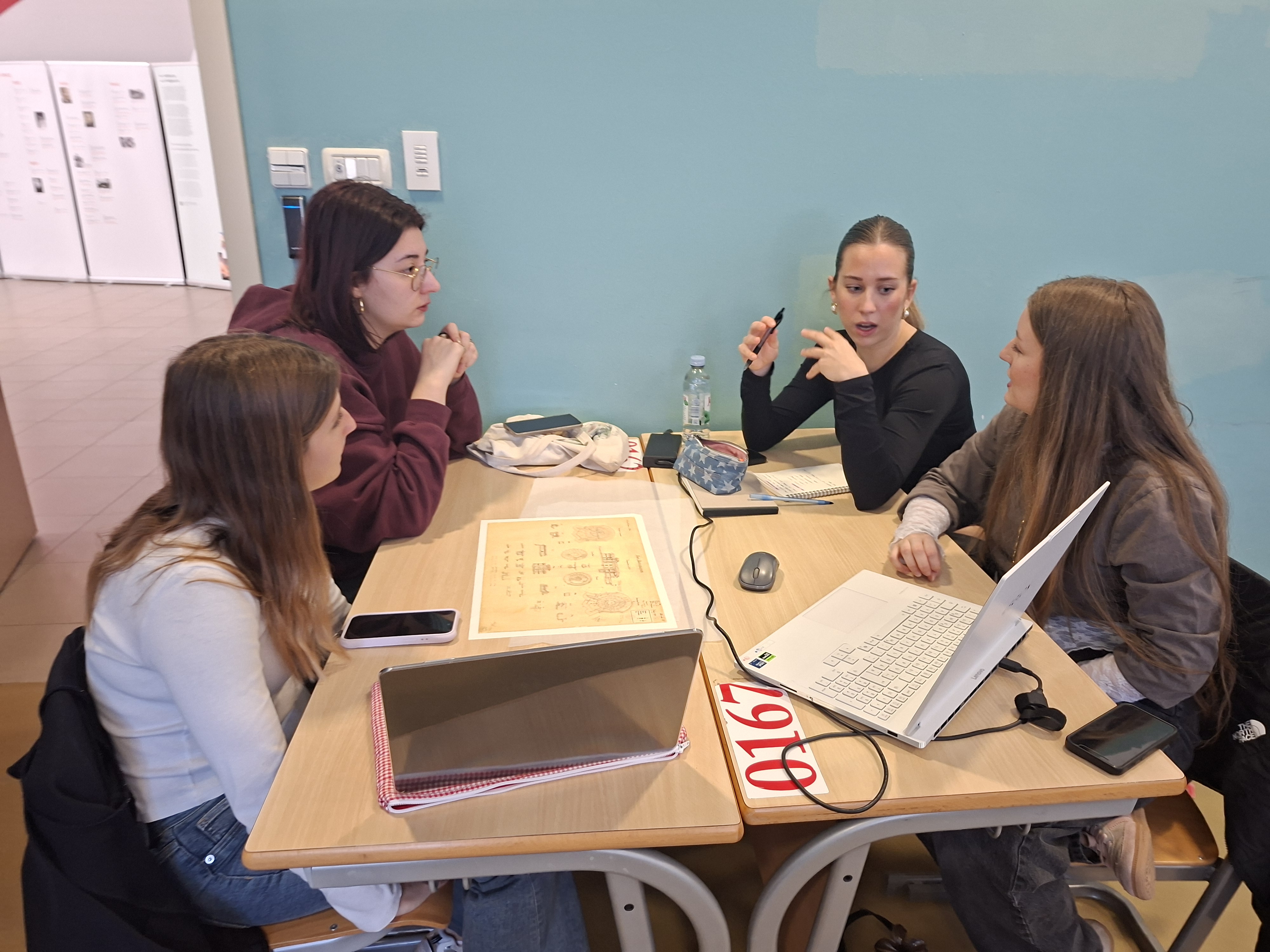
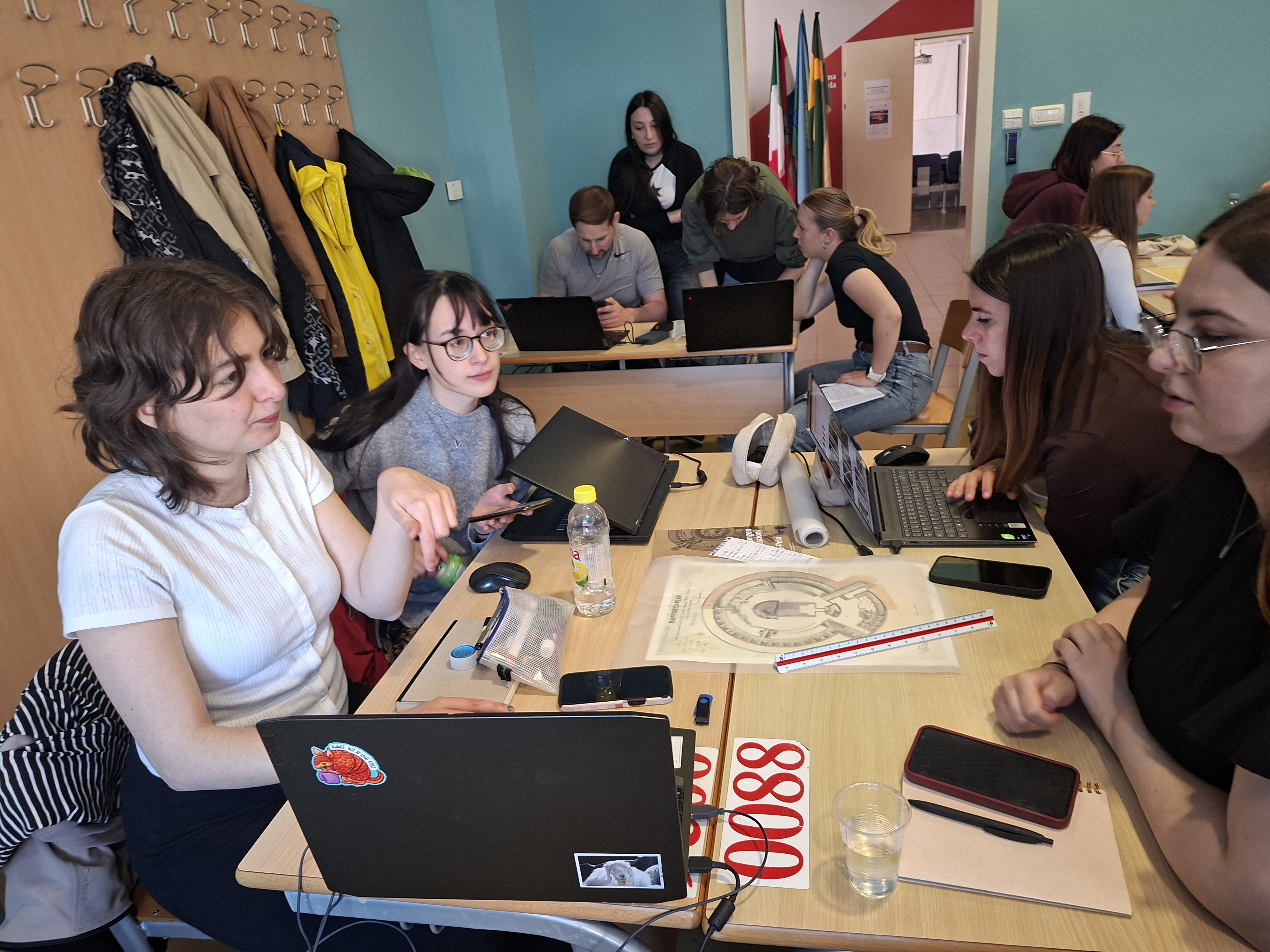
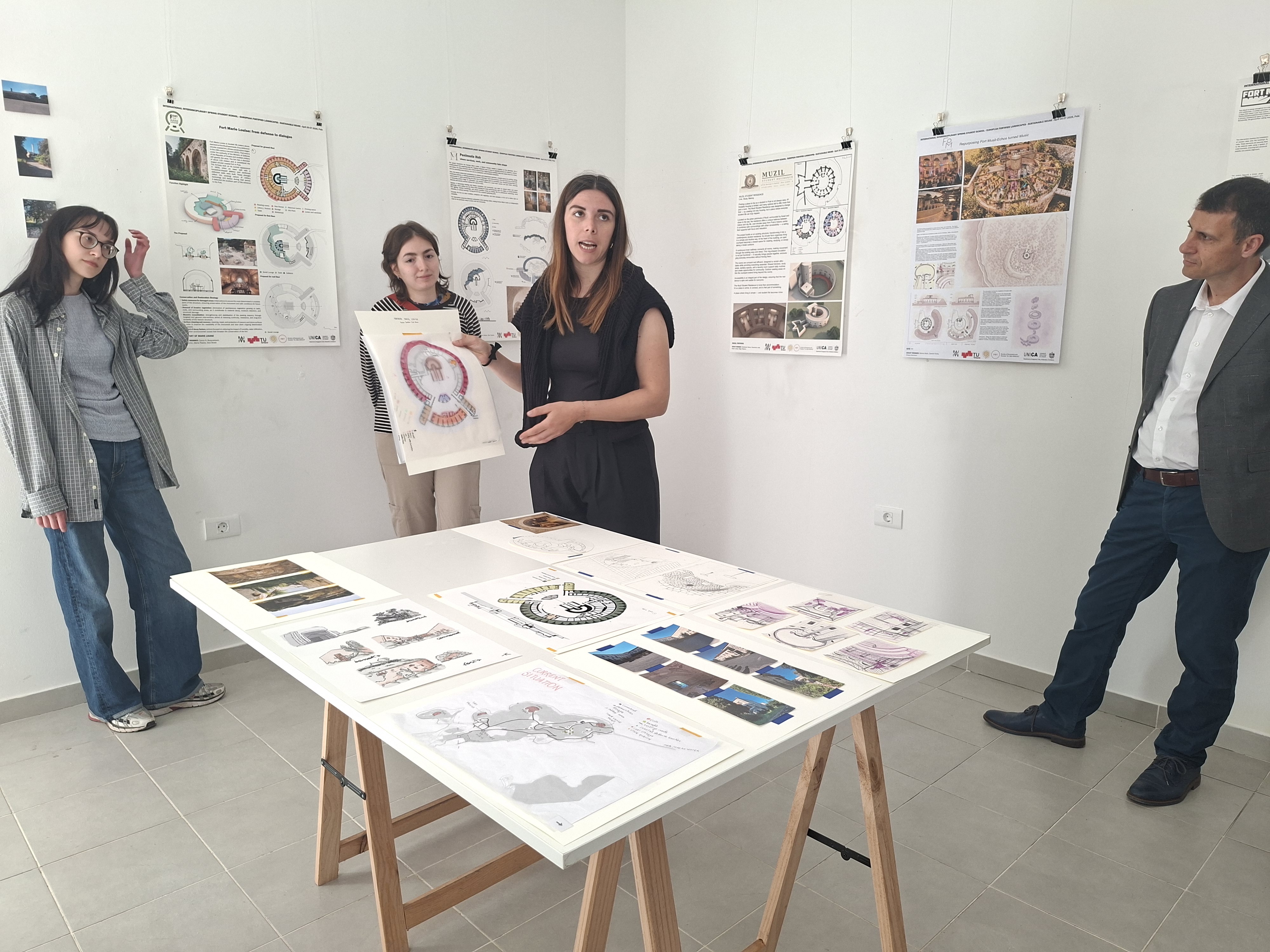
Through collaborative work, students analyzed the current state of fortifications, urban spaces and their development potential, explored the challenges of sustainable development and spatial management, developed proposals for innovative and sustainable solutions, and presented the results of their work to professors and other participants at the final exhibition, which will remain open for two weeks, till 12th of May (weekdays from 10 a.m. to 1 p.m.) at the premises of the Association of Istrian Architects.
The programme was led and coordinated by professors from the Faculty of Economics and Tourism, with guest professors from partner institutions contributing lectures and mentorship to provide international perspectives and professional expertise.
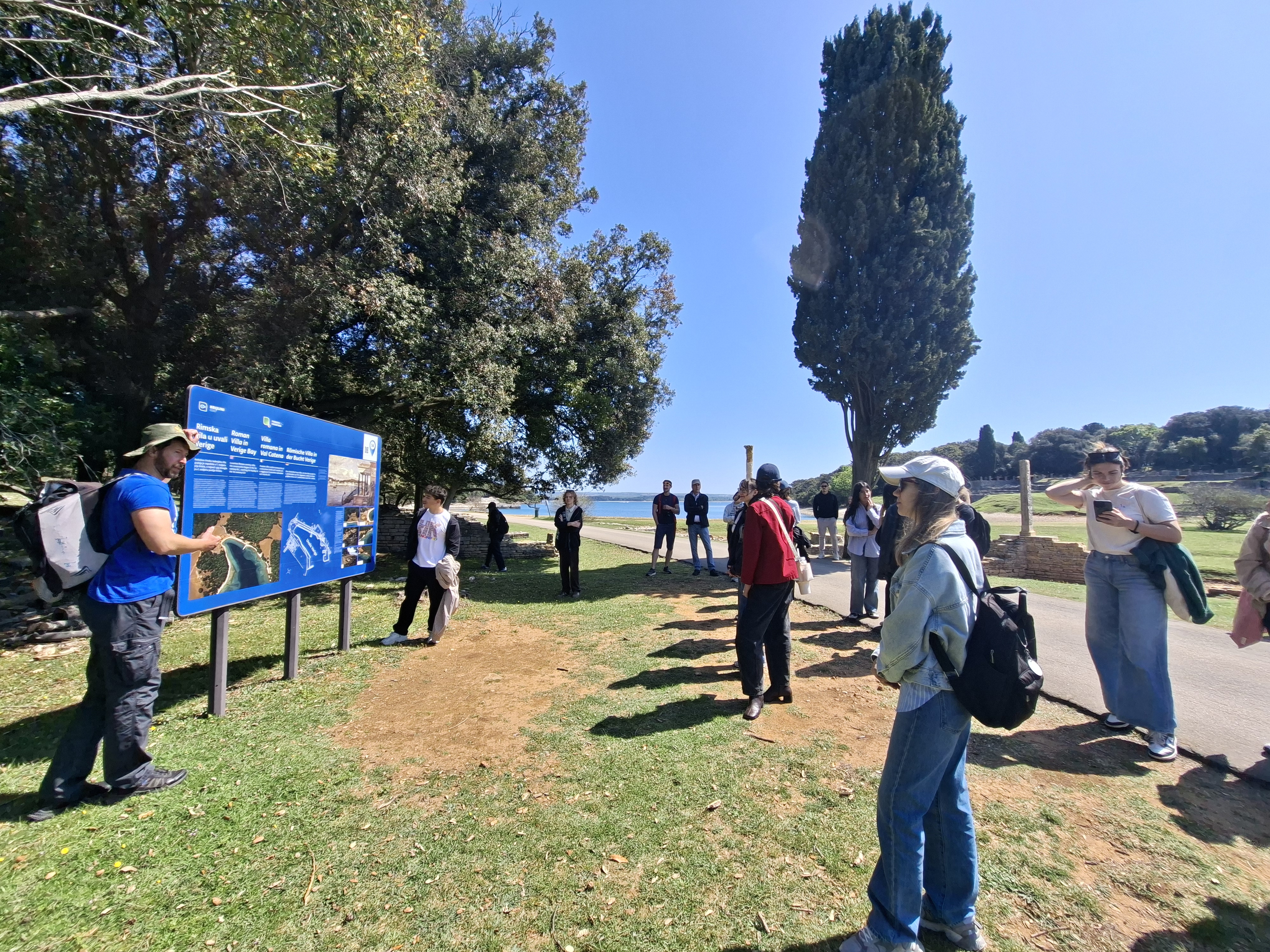
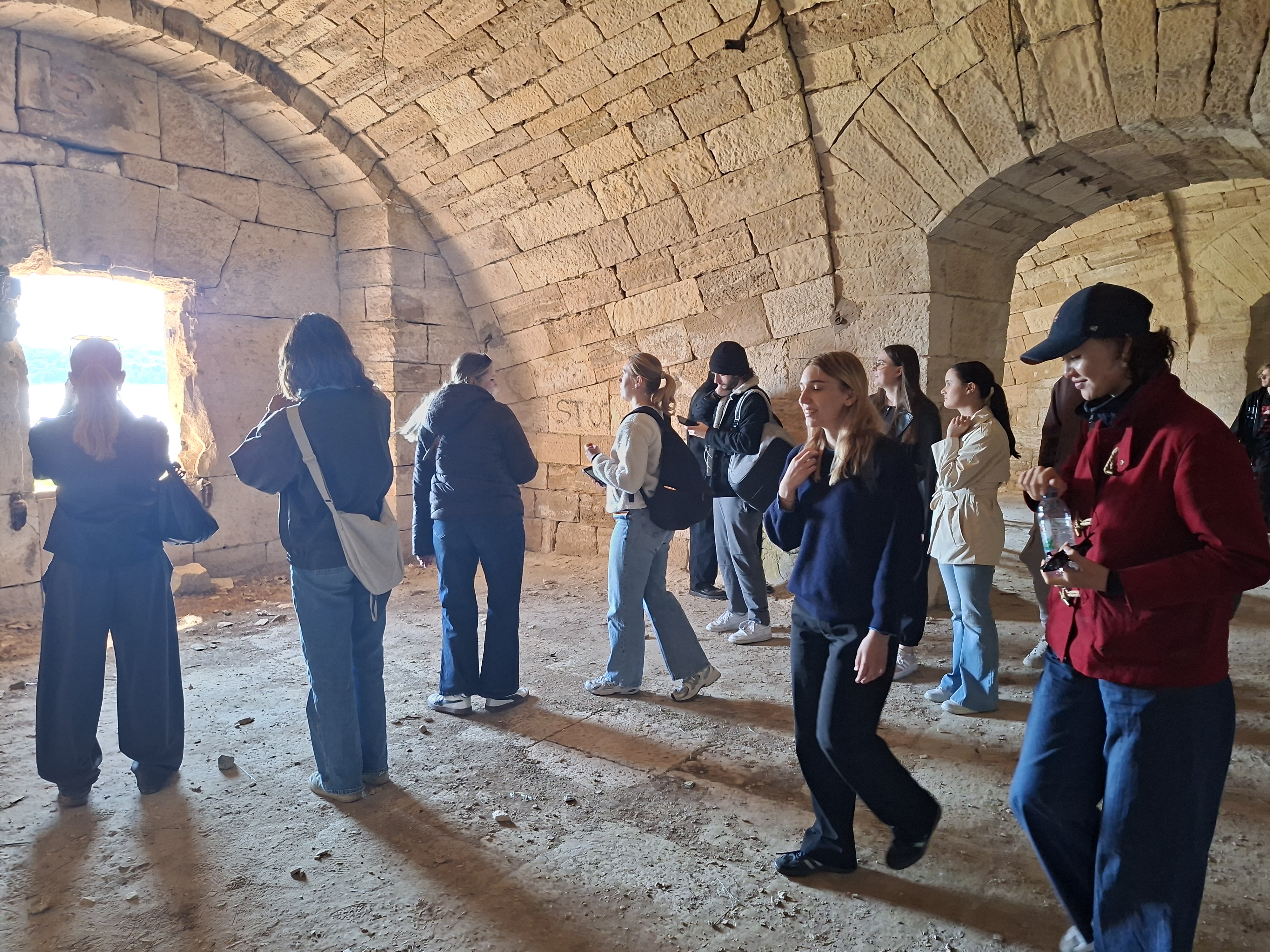
As part of the programme, study visits were organized during which participants toured the historic old town of Pula and the Castle, as well as the fortifications on the islands of Sv. Andrija and Muzil. As examples of good practice in the revitalization of typical Pula fortifications, participants visited Fort Bourguignon and the Verudela area, while the programme concluded with visits to Veliki Brijun and Mali Brijun.
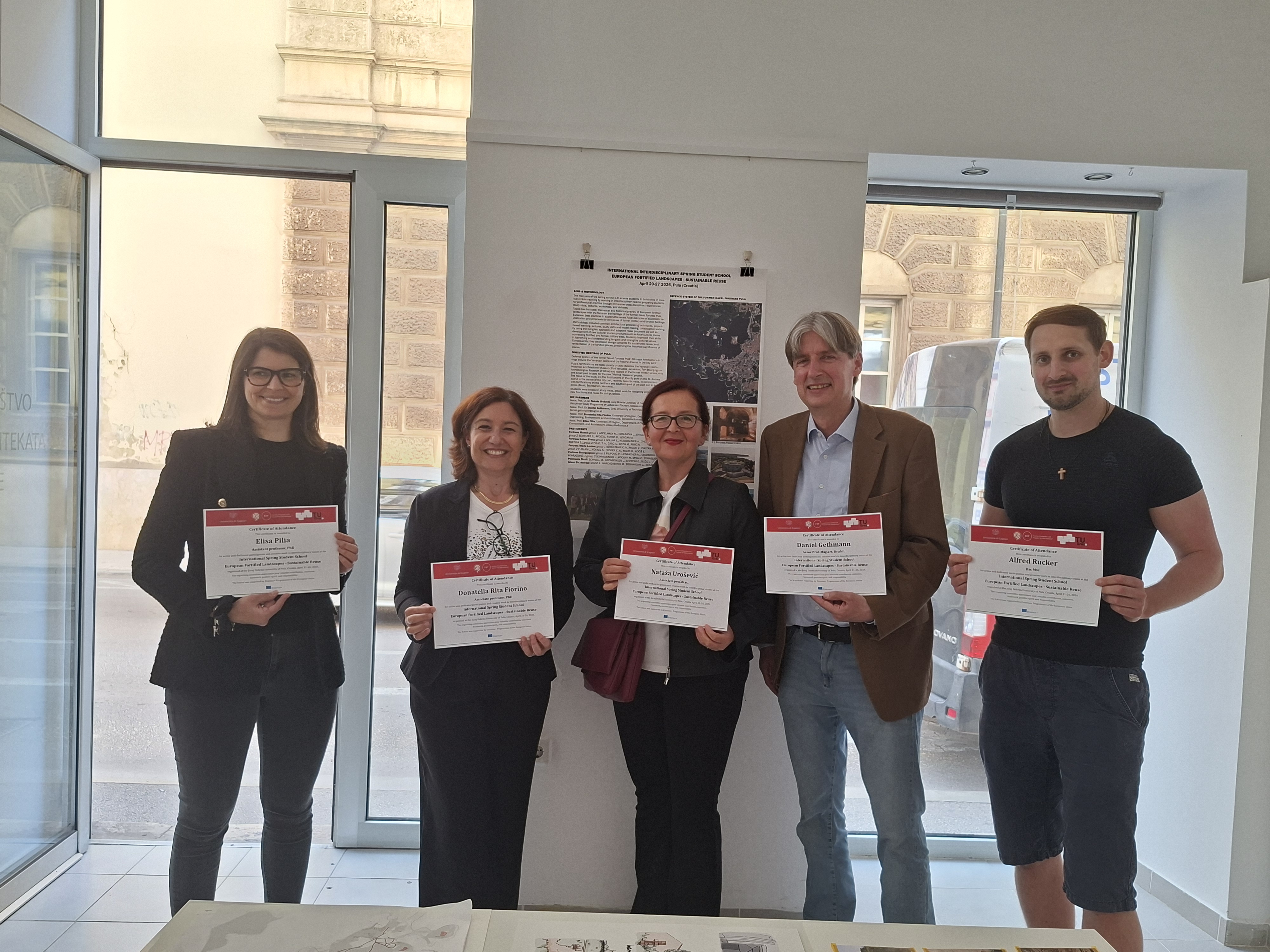
“There was exceptional synergy among the students, and we are especially pleased that they successfully directed their shared creative energy toward the development of valuable solutions beneficial to the local community,” emphasized Assoc. Prof. Nataša Urošević, PhD, organizer of the spring school.
Participation in this programme enabled students to develop professional, communication, and intercultural competencies, while also gaining valuable international experience. At the same time, the programme provided teachers with an opportunity to strengthen international cooperation and exchange good practices.
.jpg)


Juraj Dobrila University of Pula
A: Zagrebačka 30
52100 Pula
Hrvatska
T: +385 52 377 024
E: ured@unipu.hr
W: www.unipu.hr
Studenti: ured-za-studente@unipu.hr
T: +385 52 877 423, +385 52 877 435


